Water swirling around your ankles in the shower. A kitchen Sink full of greasy water. A toilet that will not flush properly. It is stressful, it smells, and it can stop the whole household.
The good news is that many blocked drain problems are simple enough to fix at home if you act early and use the right method. This guide walks through safe, practical ways to clear a blocked drain quickly, using tools and products you probably already have.
You will see gentle methods first, like hot water and washing-up liquid, then stronger options that need more care. If you notice sewage, strong smells, or water coming up in several drains, it is time to put the plunger down and call a professional.
Quick First Checks Before You Reach for the Plunger
Before you start pulling the cupboard apart, spend a few minutes checking the basics. Simple checks ca
n save time and stop you from making a bigger mess.
Look closely at how many fixtures are affected and what the water is doing. Sometimes the problem is right at the drain opening, not deep in the pipes. Other times, the signs point to a bigger issue in the main line.
These quick checks also help you decide if a DIY fix is safe or if you should skip straight to a plumber.
Spot the signs of a serious blockage.

Pay attention to:
- Slow draining water that keeps getting worse
- Gurgling sounds from drains or the toilet
- Bad smells around sinks or outside near the sewer point
- Water backing up in another drain when you use one fixture
- Wet or soggy patches in the yard
If only one fixture is affected, like a single basin or shower, the blockage is usually close to that drain. If more than one drain is slow or backing up, the main sewer or stormwater line might be blocked. That is a job for specialist gear, not kitchen cupboard tricks.
Clear hair, food, and soap from the surface.
Sometimes the blockage is right in front of you. Check the top of the drain and trap for obvious mess.
Wear rubber gloves, then:
- Pull out hair from shower and basin drains
- Scoop food scraps from kitchen sinks
- Wipe away soap scum and sludge around the plug.
Use a tissue, small hook, or bent plastic strip so you do not push the muck deeper. This quick clean can fix a light blockage on the spot or at least make the next methods work much better.
Best DIY Ways to Clear a Blocked Drain Quickly
Once you have checked the basics, move through these methods in order. Start gentle, then step up if needed. Never mix different chemical products, and always keep kids and pets away while you work.
Use hot water and washing-up liquid for light grease blockages.
Grease and oil are common in kitchen sinks. They cool, stick to the pipe, and catch food bits.
Try this:
- Boil a kettle, then let the water sit for a minute so it is very hot, not a rolling boil.
- Squirt a little washing-up liquid into the drain.
- Slowly pour the hot water down in stages, giving it time to melt the grease.
This trick can shift light buildup and clear a slow drain. Do not use boiling water on toilets or older PVC pipes, since extreme heat can warp or crack them.
If the water still sits in the sink, stop and try a different method.
Use a baking soda and vinegar mix for mild build-ups.
For mild soap and hair buildup, a baking soda and vinegar mix is gentle on pipes and safer than harsh chemicals.
Try this simple method:
- Tip about half a cup of baking soda into the dry drain.
- Follow with half a cup of white vinegar.
- Quickly plug the drain or close the plug, then wait 15 to 30 minutes.
- Flush with hot (not boiling) water.
You will hear fizzing as the mix reacts and loosens grime. It can help with soap scum and small hair clumps, and you can repeat it if needed. It will not move solid objects, heavy grease balls, or tree roots, so do not rely on it for serious blockages.
Warning signs the blockage is beyond a quick home fix
Stop DIY and call a plumber if you see:
- Sewage or dirty water coming up in the shower or bath
- More than one drain blocked or gurgling at the same time
- Strong rotten smells inside or outside
- Loud gurgling from toilets when you use other fixtures
- Water spilling outside near the sewer point
These signs can point to broken pipes, tree roots in the line, or a collapsed sewer that needs CCTV cameras and high-pressure jetting. No amount of plunging or baking soda will fix that, and you can make the problem worse if you keep trying.
How a local plumber can clear a blocked drain fast
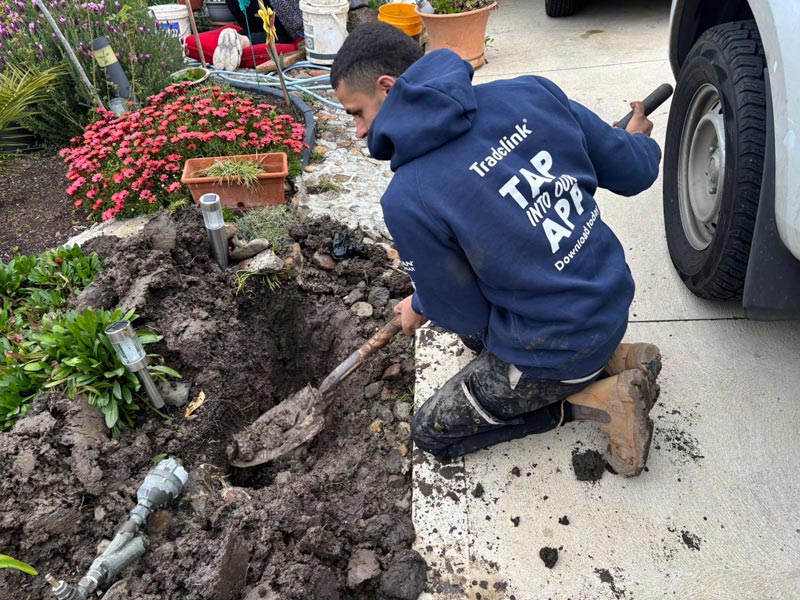
A qualified plumber can do things home methods simply cannot. They use drain cameras to see exactly where the blockage sits and electric machines and jetters to cut through heavy buildup, grease, and roots without digging up the whole yard.
If you need help with blocked drains Melbourne-wide and want a trusted plumber Melbourne residents rely on, Control Plumbing can inspect and clear the problem fast. A good plumber will also check for long-term issues, like sagging pipes or cracked joints, so you are not dealing with the same blockage every few months.
Conclusion
A Blocked Drains feels urgent, but the best results come when you work in smart steps. Start with a surface clean, then try hot water and detergent, a plunger, baking soda and vinegar, and a simple drain snake before you reach for strong chemicals.
Move from gentle to stronger methods, and think about safety and the health of your pipes, not just speed. If water is backing up, smells are strong, or several drains are involved, it is the right call to stop and get a plumber in. Tackle slow drains early, and you will usually fix problems faster, with less mess and a smaller bill.